About and sources
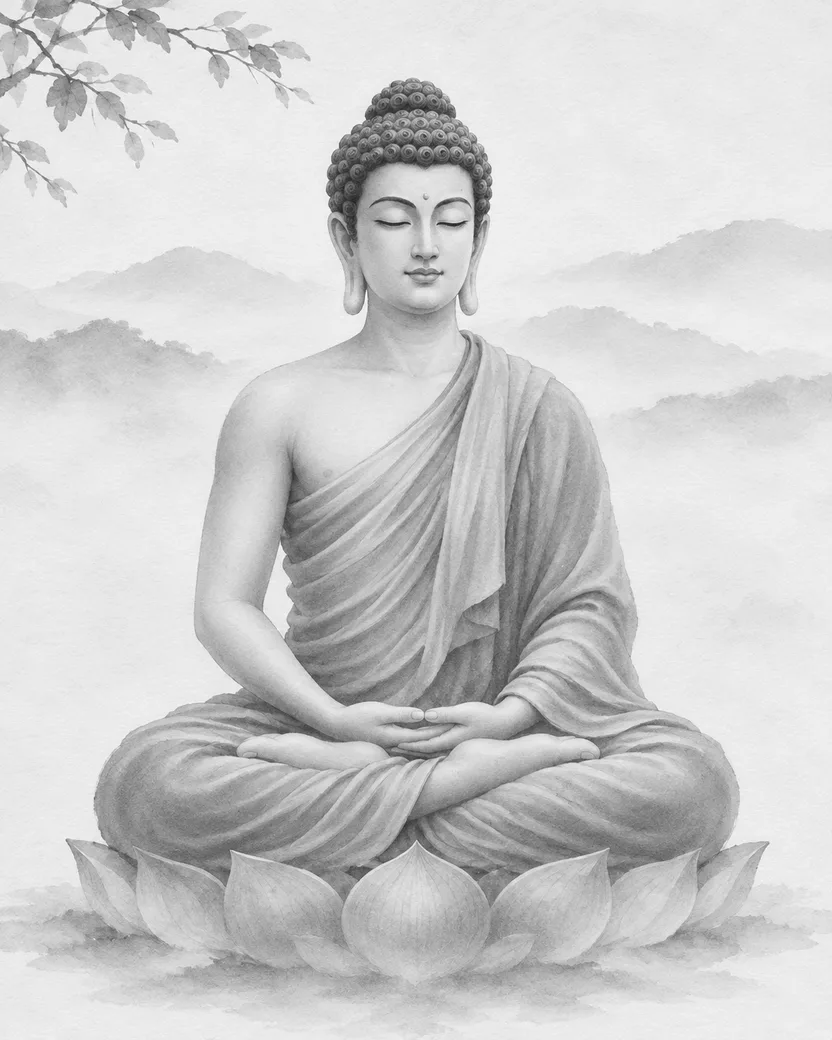
In reverence to the Buddha
With profound reverence and gratitude, we turn to the Buddha, the Enlightened One who taught humanity the law of karmic cause and effect, so that each of us might sow wholesome seeds and find a path of goodness in a troubled world.
Amid the turmoil, his teachings bring us back to what matters: examining our own minds, taking responsibility for our actions and caring for the lives of others. To understand cause and effect is to consider each thought, word and deed, rather than pursue an immediate advantage that brings suffering to others and ourselves.
May we honour his boundless kindness through even the smallest good deeds each day.
Gratitude to our guiding MasterGratitude to our guiding Master
We offer our heartfelt gratitude and respect to Master Thích Chân Quang, who has explained the Buddha's teachings through many accessible, relatable talks, bringing them into everyday life.
Through stories and guidance on ethics, cause and effect, altruism and spiritual practice, the Master has guided generations of young people towards goodness, personal growth and lives of service. For us, that gratitude calls for thoughtful study, sustained practice and sharing goodness with others.
Zenbox is a non-profit website created to bring the talks and books of Master Thích Chân Quang to more people, so that learning and practising goodness can begin with a few quiet moments of reading each day.
An aspiration for the generations to come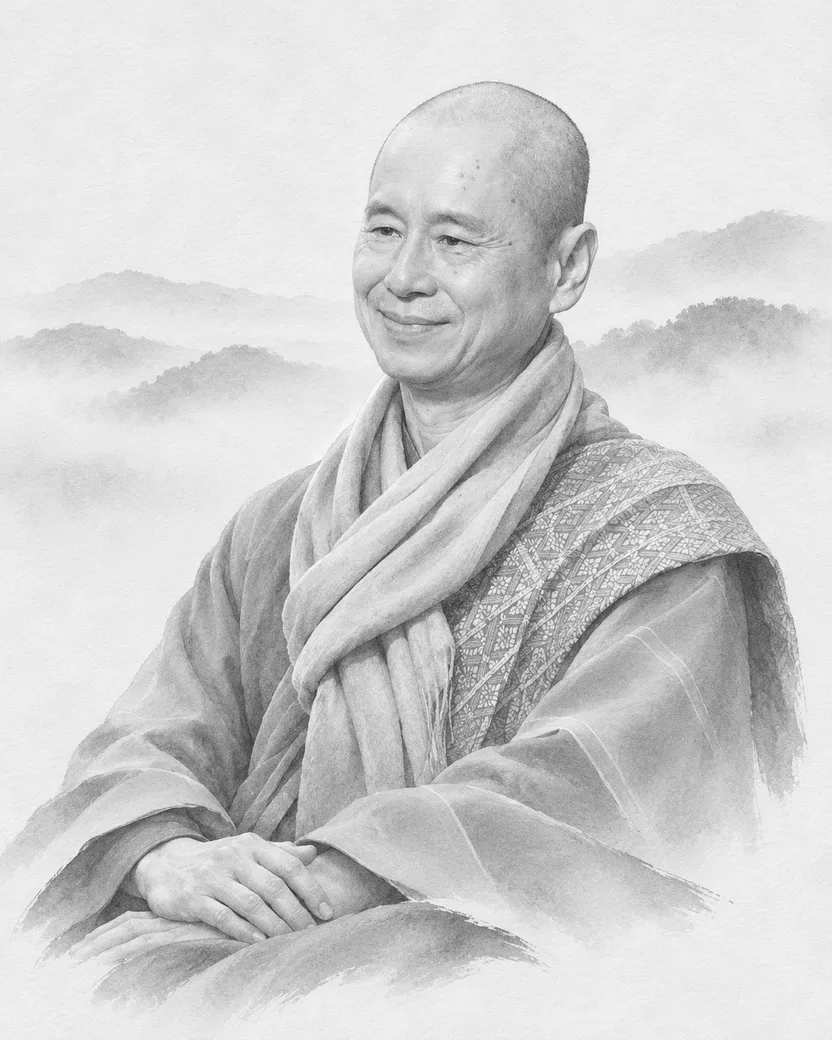
Sowing goodness in childhood
A compassionate society begins with people who consider the consequences of their actions.

I often wonder how much better society might be if children were taught the law of cause and effect and the ethical values of Buddhism at school from an early age, in ways suited to their age and respectful of freedom of belief.
When awareness of consequences becomes part of how we think, we gain another reason to pause before doing harm, even when no one is watching. Concrete lessons in telling the truth, not hurting classmates, keeping promises and helping others can nurture self-control. Such education needs explanation, dialogue and good examples, so that children understand and freely choose goodness, rather than act only out of fear.
My hope is that people will learn to temper personal cravings and desires, gradually shifting their focus from gratification to service. When children begin to ask, “What will this do for others?”, they are already learning to take responsibility for a community larger than themselves.
Continue readingFrom self-cultivation to service
Prosperity means more when it becomes an opportunity to move forward together.

I hope for a society where people living in poverty receive the support they need to become self-reliant, rather than being left dependent; where wealthy people restrain greed, share opportunities and protect those who are vulnerable. This calls for individual effort and a shared responsibility to care for one another.
In my view, this is one path towards the ideal of socialism: people living for one another, giving their best and sharing in the fruits of development. Altruism needs to take practical form in dedicated work, honest business, fairness in carrying out our duties and a willingness to use part of what we have to help others stand on their own feet.
This line of thought begins with people: self-control can reduce harm; concern for others can enable cooperation; service can create shared value. These qualities can support trust and social cohesion, but lasting results also require good education, fair opportunities and accountable institutions.
Continue readingMerit and lasting foundations
A lasting future must also be built within the inner life of each person.

Within my Buddhist faith, economic development is a wholesome fruit that can emerge when people across a country cultivate merit together through ethical living, useful work and wholehearted service. I believe that a community which nurtures merit together builds a deep foundation for peace and prosperity.
From this belief, I feel that if people have not accumulated corresponding merit, trying to create modernity and welfare beyond that foundation is like building a house on sand: its outward form may grow while its foundations are fragile and prone to collapse. Cultivating merit is a root that needs tending alongside knowledge, labour, infrastructure and public policy.
This is how I understand prosperity through faith in cause and effect, rather than as a scientifically established conclusion. In discussing society, we still need evidence to assess the effects of education and policy; poverty cannot serve as a measure of a person's merit. My aspiration is to cultivate goodness together and widen opportunities, so that no one is left behind.
Books and authorsBooks and authors
The books and materials behind the Zenbox library, for readers to continue learning and putting the teachings into practice.

Meditation guide
Author: Master Thích Chân Quang
Meditation textbook
Author: Master Thích Chân Quang
Qigong as the foundation of meditation
Author: Master Thích Chân Quang
The fairness of cause and effect
Author: Master Thích Chân Quang
Karma and its results
Author: Master Thích Chân Quang
The psychology of ethics
Author: Master Thích Chân Quang
Foundations of ethics
Author: Master Thích Chân Quang
Talking to yourself
Author: Master Thích Chân Quang